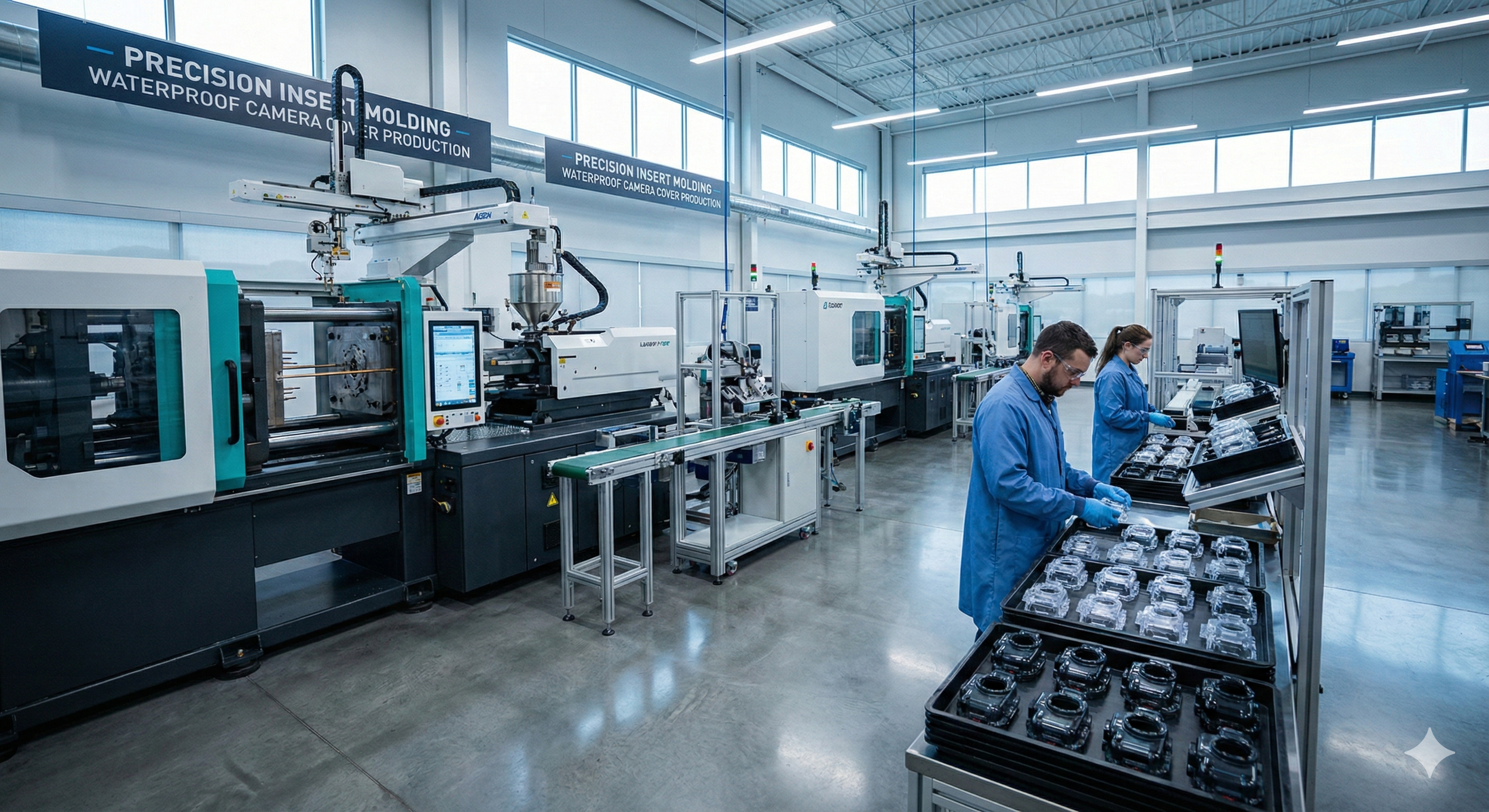
Waterproof Camera Covers Enabled by Insert Molding for Supply Chain Diversification
About the Case
Application: Security & Surveillance
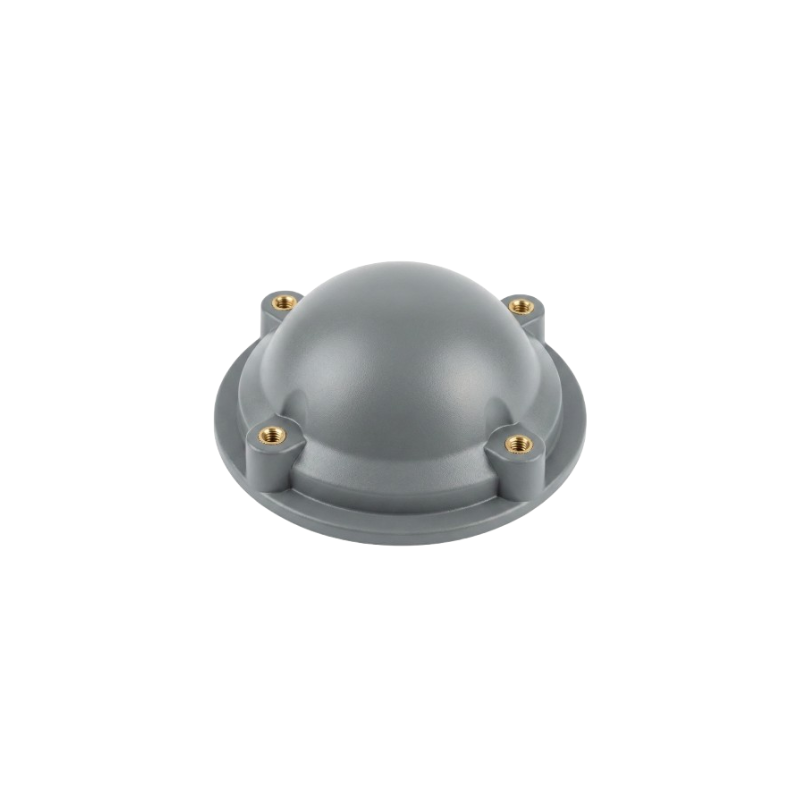
Product: Outdoor IP Camera Component: Waterproof Cover
Material: Engineering Plastics
Capabilities: Plastic Injection Molding, Insert Molding, Powder Coating Evaluation
Why Teamsworld
Customer Challenges:
A global security camera manufacturer faced increasing supply chain risks due to tariffs and geopolitical uncertainty, prompting the need to shift production away from China. The waterproof cover, a critical plastic injection–molded component, required reliable screw fastening to maintain long-term sealing performance in outdoor environments. During early development, the customer encountered inconsistent fastening strength, high defect rates, and unstable tooling during mass production. Additional challenges included selecting a surface finish and fastening method that balanced durability, appearance, cost efficiency, and scalability for high-volume production.
Capabilities Leveraged:
Teamsworld conducted a structured engineering evaluation of multiple manufacturing options, including powder coating versus colored resin injection, heat staking, ultrasonic welding, and insert molding. Based on durability and mass production stability, insert molding with embedded nuts was selected as the optimal solution. Advanced mold engineering techniques were applied, including face contact analysis to ensure consistent sealing surfaces and detailed draft angle analysis to improve demolding stability without compromising waterproof performance. These capabilities ensured reliable fastening, reduced defect rates, and improved tooling stability for long-term production.
Results:
The final insert-molded solution delivered stable, repeatable mass production while maintaining reliable waterproof performance under outdoor conditions. Production yield and fastening consistency improved significantly, enabling the customer to establish a non-China supply chain with reduced risk. The optimized waterproof cover design has since been adopted as a standard solution for future surveillance camera models, supporting faster time-to-market and long-term supply chain resilience.